From Forest Ambience to Club Mix: Building Outdoor Sample Libraries

Step into the woods with a recorder and leave the dancefloor shaking. This guide dives into From Forest Ambience to Club Mix: Building Outdoor Sample Libraries, revealing practical fieldcraft, creative processing, and polished workflows that turn birdsong, branches, rain, and distant traffic into punchy drums, lush pads, evocative textures, and club-tested grooves, ready for release, performance, and collaboration.

Plan the Capture: Scouting, Timing, and Intent

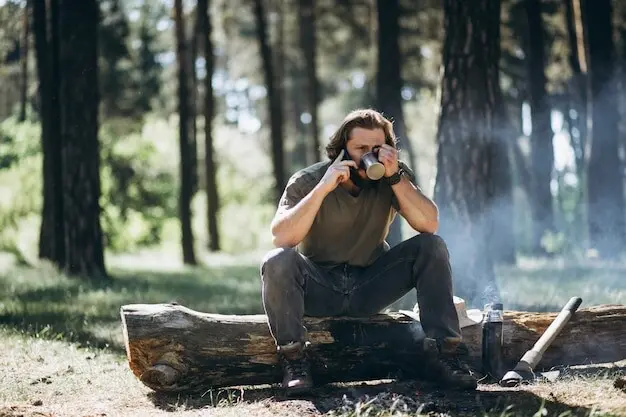
Great sample packs start before the first take. Walk the route, record room tone, and map quiet windows between traffic peaks and wind gusts. Decide whether you want long ambiences, tight one-shots, or rhythmic patterns, then plan mic positions, escape paths, and backups. A clear capture plan reduces noise, maximizes variety, and ensures every sound you bring home already hints at pads, percussion, transitions, and motifs suited to modern dance-floor production.

Tools of the Trail: Recorders, Mics, and Protection

Reliable tools prevent ruined takes and unlock character. Compare shotguns, small-diaphragm condensers, dynamics, contact mics, and hydrophones for unique textures. Choose recorders with low self-noise, robust preamps, and plentiful power options. Set conservative headroom for sudden gusts or crow calls. Bring blimps, dead cats, and soft mounts. Duplicate media cards, pack silica gel, and test cables. Preparedness frees creativity, enabling bold positioning and extended sessions without technical anxiety or avoidable compromises.

Fieldcraft Flow: Sessions That Capture Clean, Usable Material
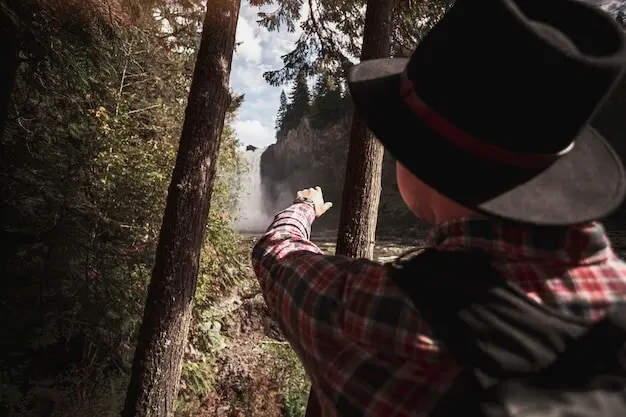
Capturing great content is a choreography of patience, movement, and restraint. Build scene ambiences first, then gather one-shots and performance gestures. Record multiple perspectives and distances. Stop to listen for flaws, then retake without shame. Keep a quiet kit, gloves, and soft shoes. Work in sets, rest ears, and log takes. A mindful pace produces usable libraries, preserving stamina and excitement for later editing, layering, and musical transformation back in the studio.

From Rustle to Rhythm: Editing and Sound Design

Editing is composition in slow motion. Trim handling noise, crossfade footsteps, and remove gusts with multiband, spectral repair, and tasteful gating. Normalize sets consistently; leave headroom for layering. Build derivative assets: one-shots, loops, textures, pads, and playable instruments. Transform rustles into snares, rain into shakers, bark hits into kicks, birdsong into leads. Each decision aims at musical clarity, groove, and character that energize dance floors without abandoning organic authenticity.

Practical, Searchable Naming Conventions

Names must reward search. Lead with function, scene, and action, then append key, BPM, mic, and distance. For example: Perc_Snap_Twig_Close_Cardioid_C_124; Atmos_Pine_Rain_Light_ORTF_2m; FX_Riser_Wind_Swell_MS. Consistency fuels discoverability and collaboration. Future you will thank present you during tight deadlines when a client requests moody textures in D minor at 120 BPM with hushed movement and you can deliver confidently within minutes.

Rich Metadata and Key/BPM Tagging

Metadata adds context producers feel immediately. Tag key, BPM, descriptors, mic type, polar pattern, location, weather, time, and processing. Embed artwork and short story snippets about the capture. Offer sampler mappings, loop lengths, and time-signature notes. These details reduce friction, spark imagination, and prevent misuse. With clear tagging, your packs integrate smoothly into DAWs, hardware samplers, and marketplaces, elevating perceived value and making your sonic identity unmistakable amid crowded catalogs.

Rights, Ethics, and Release Notes

Nature deserves care and credit. Obtain permits where required, avoid nesting sites, and never disturb wildlife for a recording. Credit locations respectfully. Clarify licensing—CC, royalty-free, or custom—and spell out restrictions on reselling isolated samples. Include a readme noting safety practices and cultural sensitivity. Such transparency builds community goodwill, reduces legal risk, and invites responsible remixes that honor people, places, and nonhuman neighbors while still delivering thrilling, impactful club music.

From Canopy to Club: Arrangement, Mix, and Delivery

Translate organic material into dance-floor structure with intention. Build grooves from footsteps and twig snaps, underpin with sub from pitched bark thumps, and float pads from wind beds. Use arrangement archetypes—intro, rise, drop, break, and return—to showcase transformations. Mix for headroom and mono integrity. Reference on small speakers and big systems. Finally, package stems, loops, and instruments cleanly for collaborators, contests, stores, and DJ edits that spark wider participation.

Arranging Grooves from Natural Motifs

Extract motifs from a single place and let them evolve across sections. A creek becomes a shaker bed; pebbles drive sixteenth notes; a hollow stump anchors the kick. Arrange call-and-response between textures and drums. Use subtractive breakdowns to reveal the forest again before a denser return. This conversational architecture turns documentary recordings into emotional narratives that carry dancers through tension, release, and catharsis without relying solely on synthesizers or sample-pack clichés.

Mixing Field-Derived Elements for Impact

Balance punch with breath. High-pass ambiences to protect low-end focus, sidechain pads gently to the kick, and carve clashing mids between leaves and synths. Widen only elements that tolerate decorrelation, keeping drums largely mono for impact. Check phase regularly. Verify translation on earbuds, club references, and a car ride. Small mix choices preserve the field’s magic while delivering modern loudness, clarity, and energy that survives loud rooms and hurried soundchecks.

Packaging, Sharing, and Community Feedback

Invite listeners into your process. Share stems, presets, and construction kits. Offer a free teaser pack encouraging comments, remixes, and blind A/Bs against studio-made drums. Publish capture maps and photos. Ask readers to submit their own outdoor grooves for a community compilation. This dialogue builds loyalty, reveals unexpected uses, and continually improves your library’s design through playful iteration, gentle critique, and collective curiosity that keeps the project alive between releases.

Livozoridavovanikavitemi
Privacy Overview

This website uses cookies so that we can provide you with the best user experience possible. Cookie information is stored in your browser and performs functions such as recognising you when you return to our website and helping our team to understand which sections of the website you find most interesting and useful.