Hike, Listen, Transform: Wilderness Soundscapes for Electronic Music
Join an adventurous journey into field recording hikes, capturing wilderness audio for electronic music production with heart, curiosity, and practical wisdom. We will explore gear that stays quiet, techniques that reveal hidden spaces, editing that keeps character, and musical approaches that turn forests, rivers, and winds into expressive instruments. Expect real anecdotes from muddy trails, actionable checklists, and creative sparks you can apply to your next session or track today.

Packing Smart: Gear That Survives Trails and Delivers Silence

Every ounce in your pack should justify its place by staying quiet, enduring weather, and recording with honesty. The right microphones, recorders, wind protection, and mounting solutions let you move softly while preserving detail and dynamic range. Redundant storage, extra batteries, and practical cable management save sessions when trails get steep, breezes gather, and your most magical take arrives just as twilight settles over a whispering treeline.

Microphones That Reveal Breath and Thunder

Choose capsules for character and context: shotgun for focused distance, omnis for spacious ambience, binaural for immersive heads, and contact or hydrophones for resonant wood and mysterious water. Polar patterns, self-noise, and sensitivity shape your results more than brand names. Pair small-diaphragm precision with rugged mounts, and remember windscreens sized correctly for the mic, because even a gentle gust can flatten a perfect dawn chorus beyond repair.

Recorders, Preamps, and Power Discipline

Quiet preamps and sensible gain staging protect fragile textures like trembling leaves or distant owls. Modern 32‑bit float recorders forgive surprise peaks, yet careful monitoring still matters. Carry high-endurance SD cards, set dual recording when possible, and label files immediately. External battery packs, spare AA cells, and short, reliable cables reduce hum, dropouts, and fatigue. A well-balanced harness keeps controls within reach without rustling garments or snagging branches.
Trailcraft and Safety for Sonic Explorers

{{SECTION_SUBTITLE}}
Route Planning That Matches Ears to Habitats
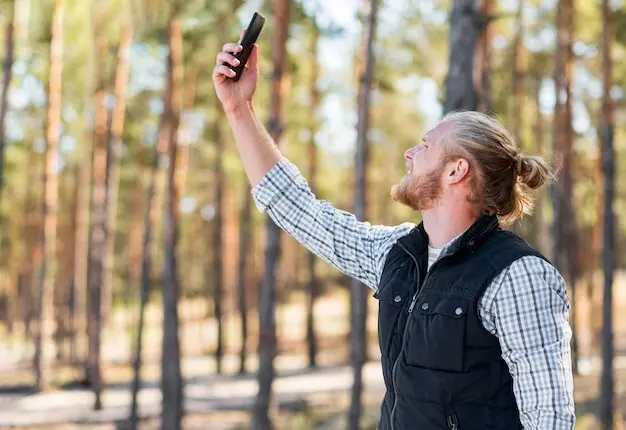
Scout with topo maps, satellite imagery, and local reports. Mark quiet corridors away from roads and flight paths, and align visits with the dawn chorus or evening insects. Tides shape coastal resonance; snow muffles forests dramatically. Wind forecasts tell you which valley to favor. Bring printed maps as backups, stash waypoints for trailheads, and track time-to-shelter milestones so an enticing echoing canyon does not become a risky, dark detour home.

Staying Safe Without Silencing the Forest

Dress for stealth and safety: muted layers that do not swish, sturdy boots that whisper on rock, and gloves for cold metal controls. Carry water, snacks, and emergency warmth. In bear or moose country, give distance; prioritize awareness over constant chatter or music. Keep phones silent, but accessible. Tell someone your plan and turnaround time. The most musical decision is often choosing patience and prudence, then returning tomorrow to a calmer, clearer soundscape.

Techniques for Capturing Character and Space

Technique unlocks dimension. Stereo arrays and perspective choices sculpt the listener’s sense of distance, motion, and size. Learn to wait quietly, rolling long takes with pre-roll enabled, and avoid reflexively using high-pass filters that thin essential warmth. Embrace ambisonics for future flexibility, mid-side for elegant control, and careful movement discipline when hiking with open mics. A small shift of angle can transform a bland breeze into textured, musical breath across needles.

Cleaning Without Erasing Soul

Start with broad strokes: trim silence tastefully, fade unruly starts, and identify anchor moments. Tame broadband hiss cautiously to avoid lifelessness. Notch wind rumbles surgically, and rescue clipped peaks with declipping before compression. In spectral editors, paint away leaf taps intruding on bird calls. Always A/B against the original frequently. The goal is restoration, not sterilization, safeguarding microdynamics that inspired you to stop, listen, and hit record in the first place.

Slicing, Warping, and Granular Joy

Detect transients to build drum racks from twigs, stones, and snapping ice. Warp longer textures into pads with complex envelopes, then explore granular engines for shifting, shimmering beds. Pitch images carefully; identify tonal insects or melodic birds and tune relative to your track. Layer tiny grains under percussion for air. Crossfade loops invisibly, map round-robins for realism, and automate start offsets so repeated hits remain alive, breathing like the places they came from.

Impulse Responses and Textures

Capture impulse responses with balloon pops or sine sweeps inside caves, under bridges, and between boulders, then convolve synths and drums for authentic space. Label IRs with location, mic type, and mic height. Combine subtle natural reverbs with studio treatments thoughtfully. Texture beds—wind in tall grass, soft surf—glue arrangements when kept below masking thresholds. The result anchors electronic elements in believable geography, letting listeners feel pine, stone, and water with closed eyes.

Composing With the Wild: Arrangement and Groove

Nature gifts rhythm, pitch, and narrative, if you listen for them. Build grooves from footfalls, dripping branches, or wingbeats; carve harmonic beds from resonant logs or distant foghorns. Respect natural tempo drift, or quantize gently to taste. Sidechain pads to streams for pulsing movement. Arrange like a hike: approach, reveal, summit, descent. A personal favorite beat emerged from pebbles tumbled in a pocket, later layered into a cathartic, festival-tested drop.

Rhythm Hidden in Randomness

Convert transients into MIDI, then keep some human offset so the groove breathes. Stack multiple mic perspectives for composite drums—close snaps for punch, wide ambience for tail. Use envelope followers to let wind shape filter sweeps naturally. Microducks against kick preserve intelligibility without crushing dynamics. Where recordings drift, tilt timing lanes instead of hard quantization. The ear forgives irregularity when the pattern narrates motion, like boots on mixed terrain, purposeful yet alive.

Melody From Unexpected Tonality

Extract pitches from birdsong with careful analysis, building scales that honor their intervals. Filter creaking trunks to isolate haunting fundamentals, then resample into playable keys. Consider microtonal tunings when nature suggests meters between notes. Harmonize pads with convolution of recorded spaces, preserving identity. Avoid over-correcting; a slightly wild center can feel truer. The most memorable hook sometimes hides in a faint ferry horn, stretched, pitched, and wrapped in reedy harmonics for warmth.

Space That Feels Real

Blend close detail with believable distance. Use multiband dynamics to hold insect choruses without smearing cymbal-like highs. Pan by story, not habit; migrating birds rise left to right across seasons. Print stems with room tone to prevent paste-on artifacts. A gentle bus compressor can stitch textures, while true-peak limiting keeps translation honest. Calibrate monitoring to moderate levels so fatigue does not dull subtle rustles that make your mix breathe convincingly.

Permissions and Protections

Research recording rules for parks and reserves; some require permits or restrict commercial use. Sounds of nature themselves are not copyrighted, but your recordings are—so decide licensing deliberately. Avoid capturing identifiable human conversations without consent, and obscure exact coordinates for vulnerable habitats. If brands or performances slip into takes, review rights. Clear documentation demonstrates care, builds trust with land managers, and keeps doors open for future, deeper, more ambitious sonic expeditions.

Releasing Stems and Packs Responsibly

Organize files with descriptive names, timestamps, locations, and mic techniques. Provide notes on processing, and offer untreated versions where feasible. Consider Creative Commons variants or custom licenses balancing openness with respect. Tag key pitches, tempo suggestions, and loop points. Share sample rate and bit depth. Include a short field diary entry; stories increase value and learning. Above all, vet recordings for sensitive species or culturally significant sites before publishing anything broadly.

Join the Conversation

Share one short clip you love in the comments, describing when and where you captured it, what you learned, and how you used it musically. Subscribe for monthly challenges, gear experiments, and trail-proven techniques. Propose locations you want explored, or ask for guidance on a tricky noise problem. Your questions seed future deep dives, while your recordings inspire others to shoulder a pack, step softly, and listen with renewed attention.
Livozoridavovanikavitemi
Privacy Overview

This website uses cookies so that we can provide you with the best user experience possible. Cookie information is stored in your browser and performs functions such as recognising you when you return to our website and helping our team to understand which sections of the website you find most interesting and useful.